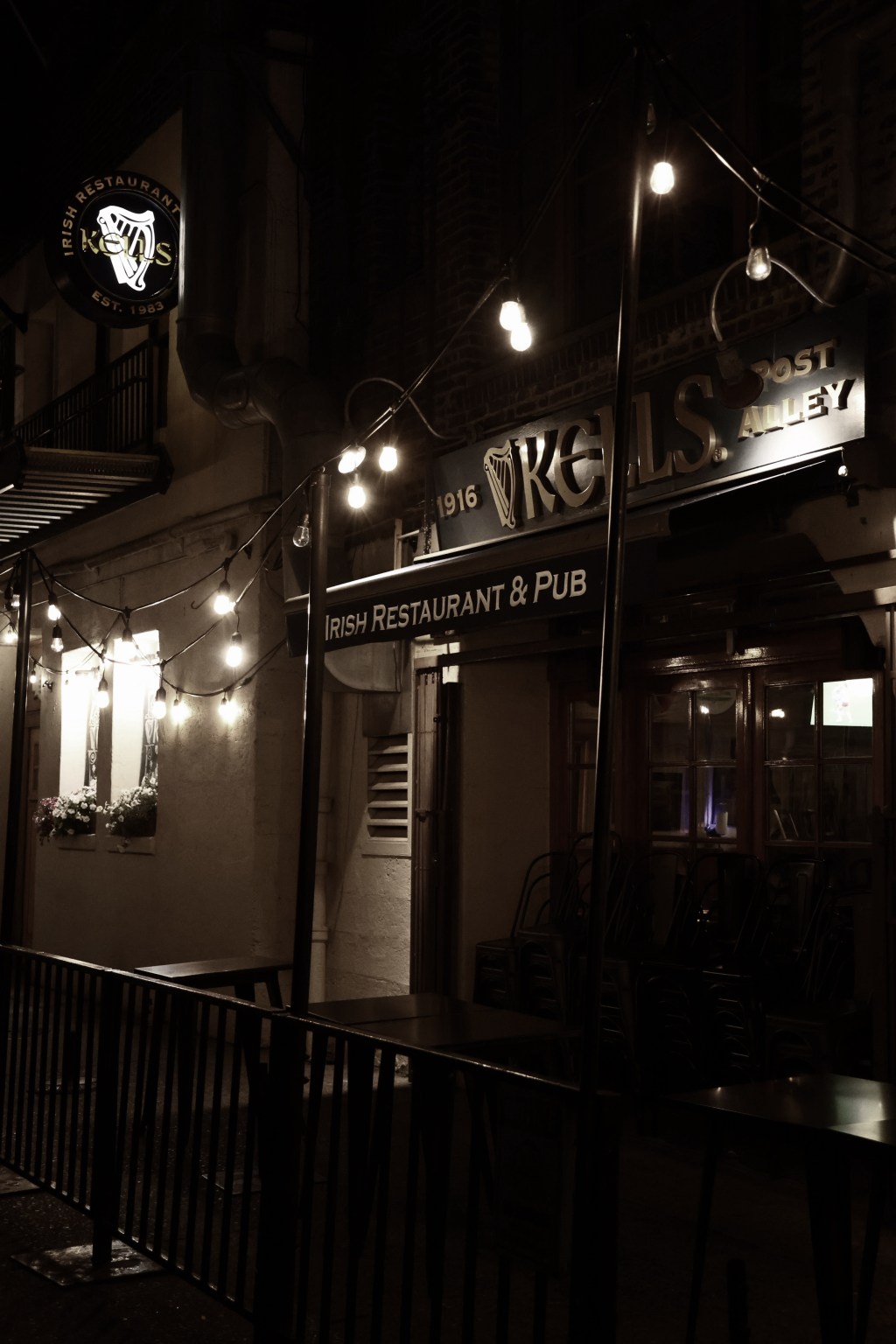
THE LOCATION
1916 Post Alley, Seattle, WA 98101
THE HISTORY
19th century Seattle saw epidemics of tuberculosis which ravaged local populations, with state death records indicating that in 1892, nearly 10% of all recorded deaths were blamed on this disease—a percentage which grew to nearly 12% by 1902. [1] Although some estimate these numbers to have been even greater, alongside deaths from other rampant diseases like diphtheria, cholera, and even the bubonic plague which broke out in 1907 due to the cities persistent rat problem. [2] A resulting burgeoning funerary industry would thrive amidst the staggering death tolls, and so enters the key character in this story: Edgar Ray (E.R.) Butterworth, born March 3, 1847 in Newton Upper Falls, Massachusetts. [3]
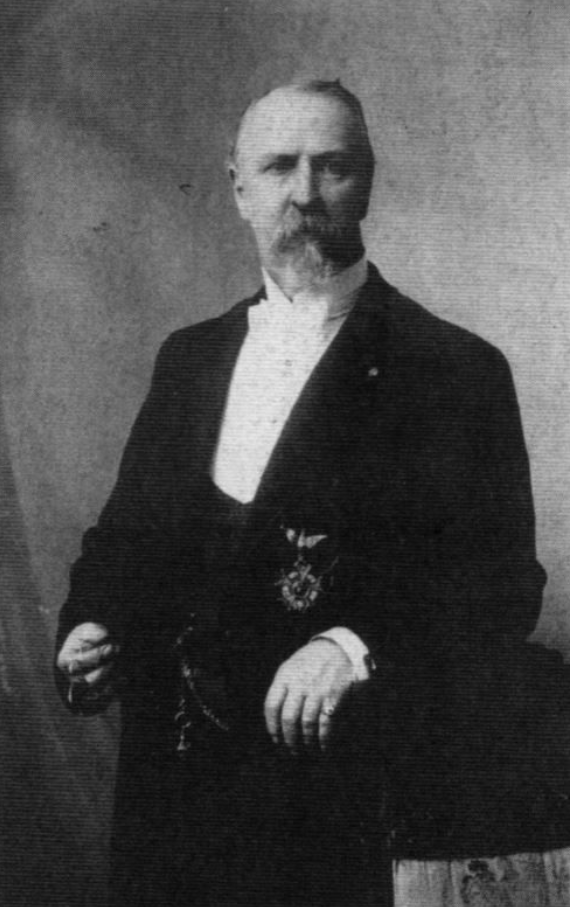
Some sources indicate that Edgar got his start in the death-care business after moving to Fort Scott, Kansas in the 1870’s and working as a cattleman, occasionally collecting and hauling bones from dead bison on the side and selling them to manufacturers who pulverized them for use as fertilizer. [3] It was during one such endeavor that he encountered a fellow settler whose wife and newborn child had just died and, in a kind-hearted nature, Edgar constructed the decedents a coffin from the wood of his very own wagon. [4]
Edgar would soon operate a funeral directory business in Centralia, Washington and helped to manufacture ready-made coffins in Olympia, Washington, eventually making his way to Seattle where he was hired by Cross and Co. Undertakers in 1889. [3] By 1892, Edgar purchased the business, renamed it to E.R. Butterworth & Sons, and carried out operations with the help of—you guessed it—his sons. Construction on a new brick and mortar, now known as the Butterworth Building at 1921 1st Avenue in Seattle was soon under way, opening for business in 1903 and standing as the first purpose-built mortuary in the city. [3] Note that, as a spooky synchronicity, Edgar passed away in the year 1921—the same number as his new business address. (Could it be a… curse?)
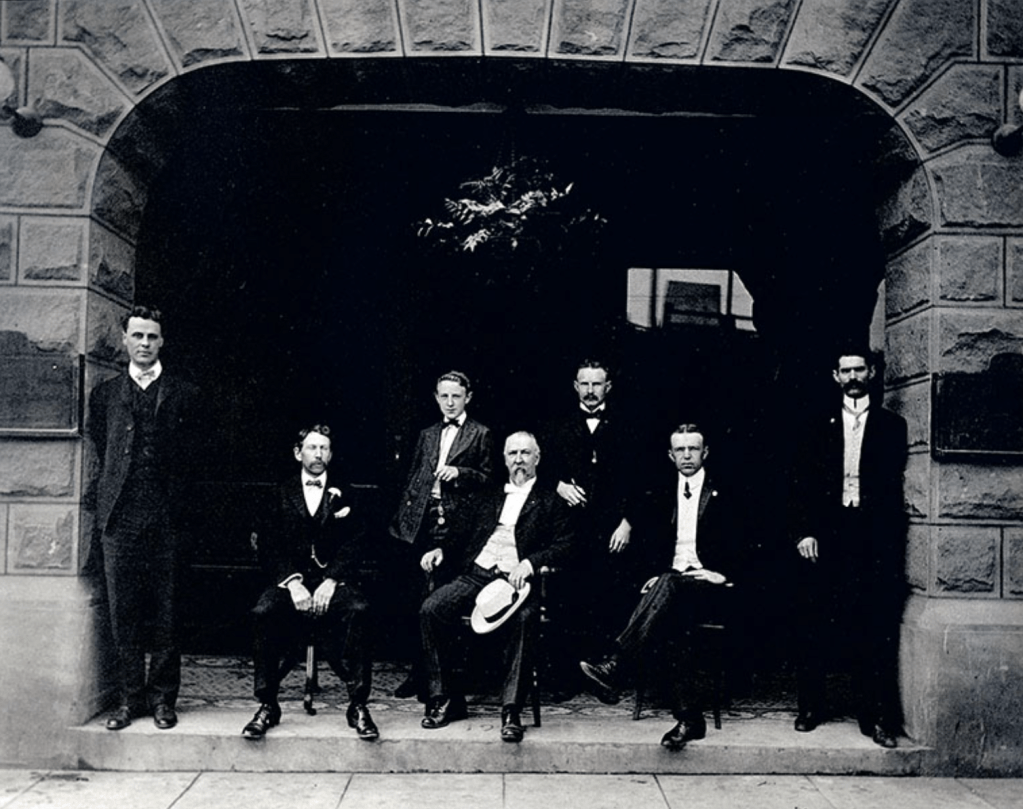
Throughout their years of operation, E.R. Butterworth & Sons would be accredited with a number of “firsts”. Edgar is believed to have been the first in the business to professionally utilize the terms mortician and mortuary (derived from the Latin verb mori meaning to die) as a replacement for the term “undertaker” which came with negative stigmas. [3] Furthermore, E.R. Butterworth & Sons was the first mortuary to operate a hearse on this side of the Columbia River, the first in the city to utilize recent innovations in chemical embalming, and it was the first building on the Pacific Coast to have an elevator for the use of transporting dead bodies between floors. [3]
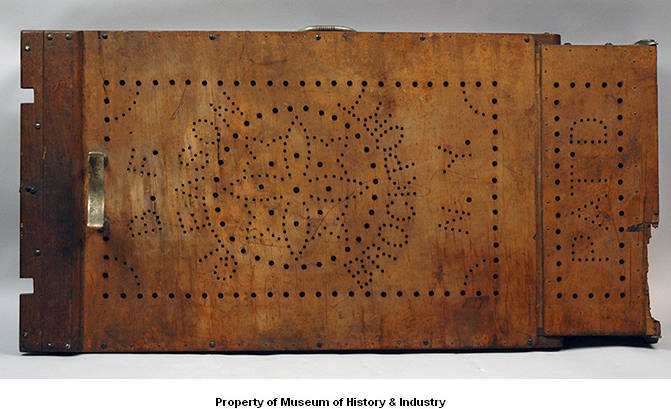
Remnants of this history are now scattered about Seattle as reminders of the regions early funerary involvement: rusty parts of the original elevator can be found laying in the Old Seattle Underground in Pioneer Square (accessible via Bill Speidel’s Underground Tour) and a embalming table from their mortuary is currently held at the Museum of History and Industry (MOHAI). [5]
Another hallmark of E.R. Butterworth & Sons was the sheer number of death-related needs they covered, as detailed in the article “Exquisite Corpses” for Seattle Met [4] via a surviving itemized bill from the early twentieth century which lists their standard funeral package:
- Removal of body from residence to mortuary.
- Bathing, embalming, dressing and all care of body.
- Directing funeral at chapel and cemetery with assistants and arranging all details.
- Notices in daily press, procuring doctor’s certificate and burial permit.
- Gray cloth covered casket, crushed silk interior and fully trimmed.
- Hearse service and two limousines.
- Cut roses for interior of casket.
- Ward’s air sealed vault.
- Organist.
As we can see, any needs of the bereaved could be found here under one roof, and so E.R. Butterworth and Sons is often viewed as the birthplace of the modern funeral industry as we know it today. Moreover, they were known to offer a wide range of prices to accommodate those of any economic class while frequently forgiving the debts of customers who were unable to pay off their dues. [3]
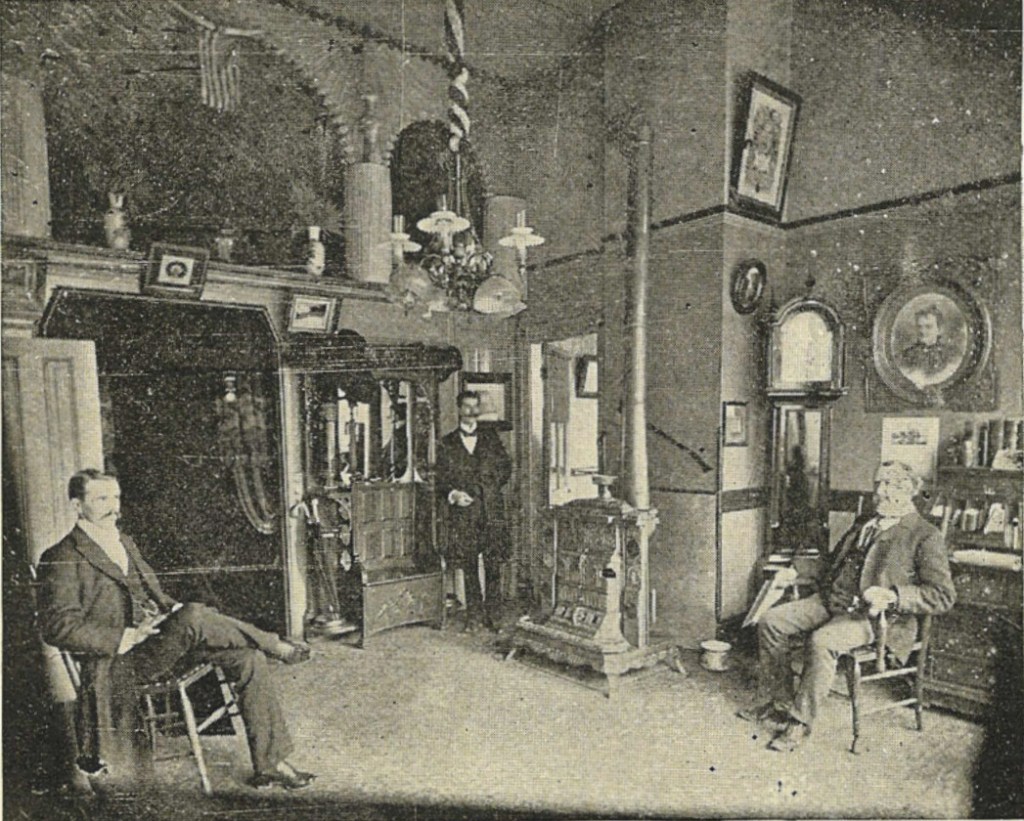
Despite their well-meaning nature, extensive operations, and avoidance of the term “undertaker”, the character of E.R. Butterworth & Sons would still be called into question after having been caught up in headlines with Linda Laura Hazzard: a quack self-proclaimed “doctor” who prescribed a cruel and, at times, deadly “starvation diet” to her ailing cliental who she promised to cure through extreme fasting, and whom her and her husband stole from through fraudulent claims to assets in death. [6]
In 1911, Hazzard would be arrested for suspicion of murder; in 1912, the state of Washington would find her guilty of killing at least 15 people through starvation diets, some of which died at her sanitarium nicknamed “Starvation Heights” which she operated in Olalla, Washington. [7] Hazzard was sentenced to serve 2 to 20 years, but after having served just two she was released on parole and would later pick up business again. In an ironic twist, however, Hazzard would fall ill and succumbed to the malnourishment of her own starvation diet. [7]
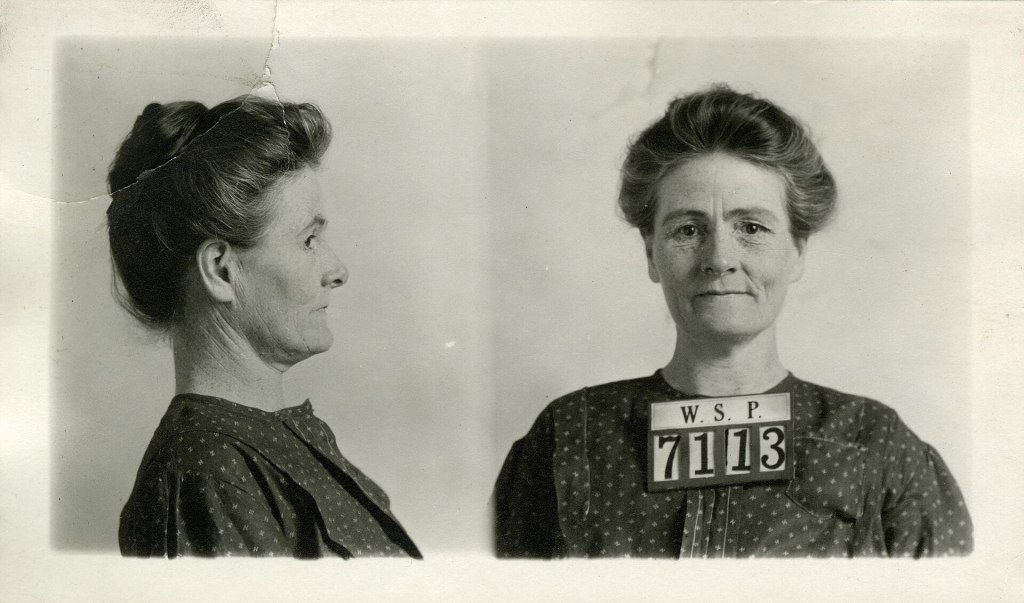
E.R. Butterworth & Sons would face involvement in Hazzard’s crimes after it was speculated that they had removed one of her deceased victims, Claire Williamson, from her sanitarium without a license—a charge which one employee would confess to. [4] It was further claimed that they had swiftly cremated Williamson’s body and then used a different fuller-bodied corpse in her place to show family as a means of easing suspicion on the part of Hazzard. Edgar would, of course, dispute this narrative and denied any criminal involvement with Hazzard. [4]
It should be noted that there is no substantial evidence to say that E.R. Butterworth & Sons purposefully or knowingly aided in the cover-up of a needless killing at the hands of a phony doctor, although it certainly doesn’t help that Hazzard’s own defense attorney was a good friend of Edgar’s son, Gilbert. [4] In addition, Hazzard did not invent the starvation diet and it was a presumed cure for a number of ailments which many others subscribed to during this time, believing that they could flush the body of presumed responsible “toxins” causing their ailments through restrictive dieting. [6] Although this does not justify the actions of Hazzard, it does help us understand how she was able to continually get away with it, why so many patients still sought her help, and how alarm bells may have failed to sound for those who encountered patients of Hazzard, dead or alive.
KELLS IRISH RESTAURANT & PUB
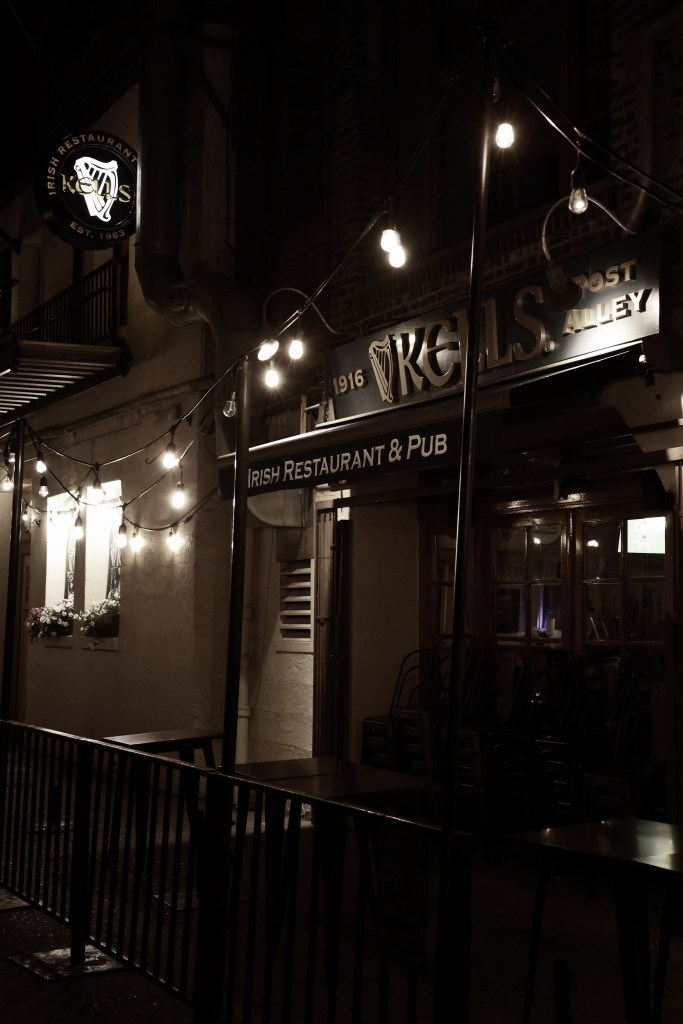
Controversy aside, business would persist for E.R. Butterworth & Sons who, after the death of Edgar, would move to a larger space in Seattle’s Capital Hill neighborhood in 1923, leaving the old Butterworth Building storefront open to new business. A number of companies which attempted to take root here over the years would fail, with some believing this to be a curse—perhaps the same curse that some believe killed Edgar the very year which matched the locations address. How would he have conjured such a curse? This appears to never be fully explained, other than observing the synchronicity of the address and year of death.
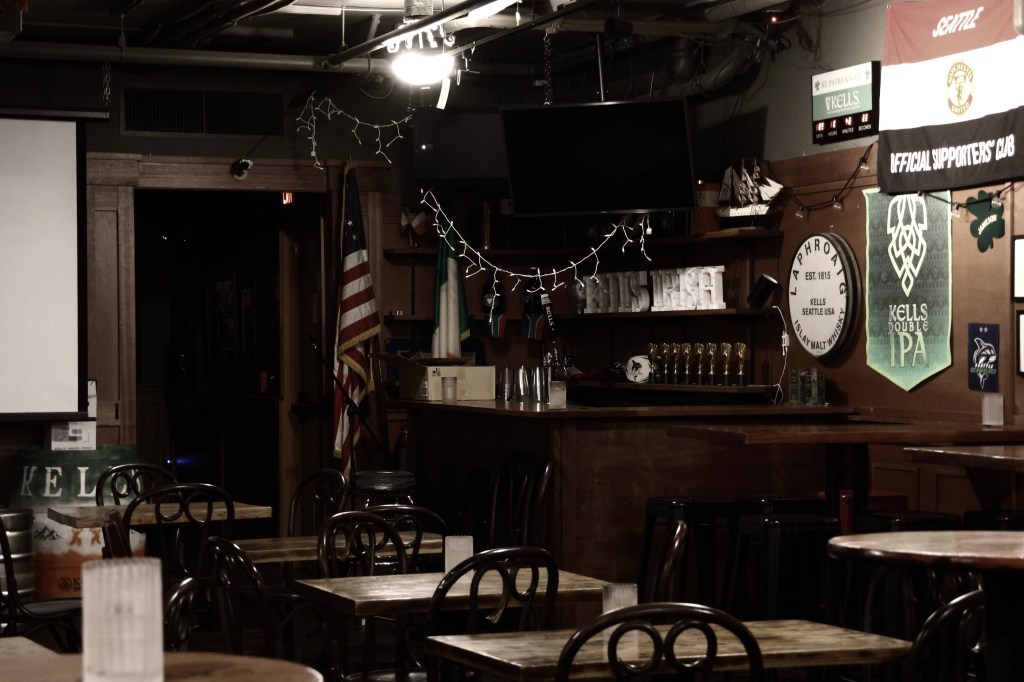
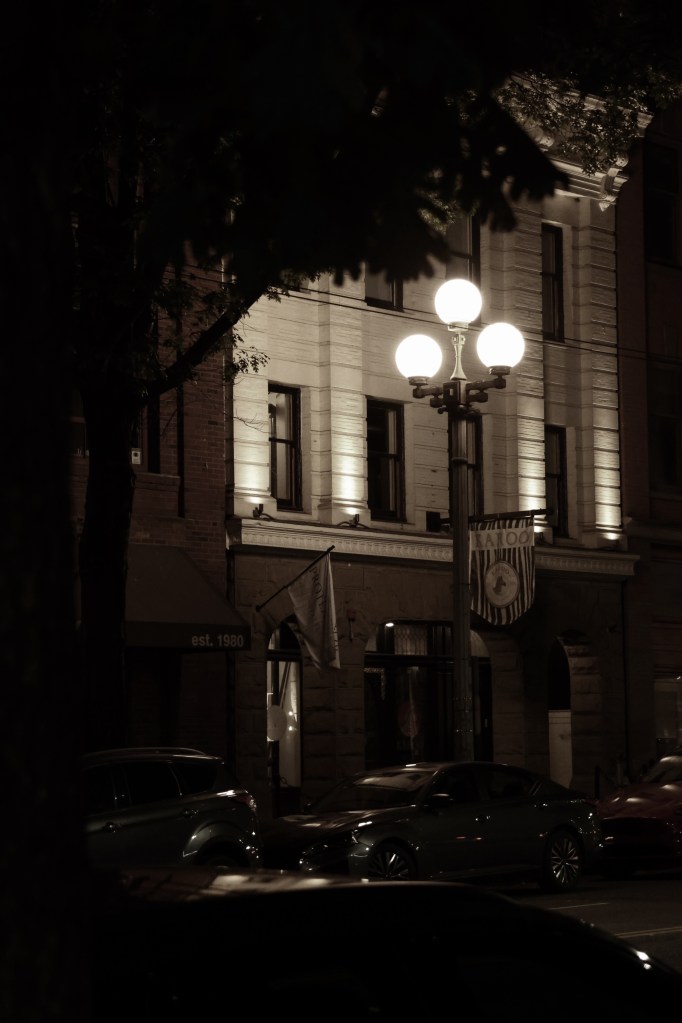
It is worth noting that, as with most big cities, new businesses typically face the threat of closure in Seattle, although one business in particular would show immunity to the suspected curse: Kells Irish Restaurant & Pub which opened its doors in 2009, situated in two floors (accessible via Post Alley on the other side of 1st Avenue) that were formerly the mortuary’s stock room and basement. During its time as a mortuary, the stock room was specifically used to store bodies “more or less indefinitely” making it an eerie setting for those dining in today. [8] Meanwhile, records from 1904 state that the basement was used as the mortuary’s stables, storage for funeral wagons, and is where the buildings heating plant was located, although Kells owner, Patrick McAleese, states that embalming had also taken place within the confines which are now Kells. [9]
THE GHOSTS
Considering the nature of the buildings previous business in temporarily housing the dead, it is no surprise that over the years, staff and restaurant goers alike would report a number of paranormal happenings. In fact, Kells, which is situated at the outskirt of Pike Place Market, is sometimes regarded as one of the markets most haunted locations. Helping Kells to achieve such a status are the claims of phantom sightings of three primary resident spirits:
Dr. Hazzard’s Patient
The deceased patient of Hazzard which was temporarily cared for here, Claire Williamson, is one such reported presence at Kells, albeit one which is hard to locate eye-witness sightings of. Rather, Williamson tends to act as a catch-all for vaguely reported sightings: when some visitors believe that they might have caught a glimpse of something in the corner of their eye, they might speculate that it was her spirit. (This is surmised based largely on internet comments and local word-of-mouth.)
To this, we might raise the following question: is Williamson truly haunting this location, or are we instead haunting ourselves via assuming that the patient, who may have felt wronged and cheated out of life, remains? Similarly, to reflect on this potential ghost is a way to remember the story of Hazzard and Williamson through a distanced and thrilling approach; rather than confront it for what it was—a quack doctor and an individual being cruelly starved to death—it is far more palatable to turn their story into an exciting and spooky ghost story. (Just some food for thought!)
The Little Girl
A ghostly little girl in a red dress has also been spotted here on numerous occasions, often dancing to traditional Irish music. One eye witness working security for Kells, Josiah, told a reporter for KOMO news that sometime in 2010 or 2011, he heard the pitter-patter of small feet going up the stairwell and caught a glimpse of “little kid’s feet” that were “definitely a little girl” donning a red dress, white stockings, and black shoes. [9] Upon radioing that a unattended child was in the stairwell and requesting that their parents come get her, he was notified that there were no parents missing children on the premises, nor was the child found, telling KOMO News “So I go up the stairway about two flights and at the top, it’s a doorway, just one doorway, nowhere else this girl could have run. It’s pitch black in there and I kinda like just froze. And then like, I like walk into a little cold space where it was, holy cow, it’s kind of freezing! And the hairs on my neck started standing up and I’m like, ‘Oh my God!’ like, ‘this is the ghost’ and I turned and I ran down those stairs so fast. That’s just stuff I don’t play with.” [9]
One cannot help but wonder who this little girl is and why she would haunt such a location. Perhaps she, too, is former decedent who passed through the mortuary. Or might she have followed someone here? We cannot say for sure… yet.
Charlie
A third prevalent presence is that of a smiling middle-aged man in a derby hat nicknamed “Charlie” who is seen standing beside those who gaze into one of the restaurants mirrors.
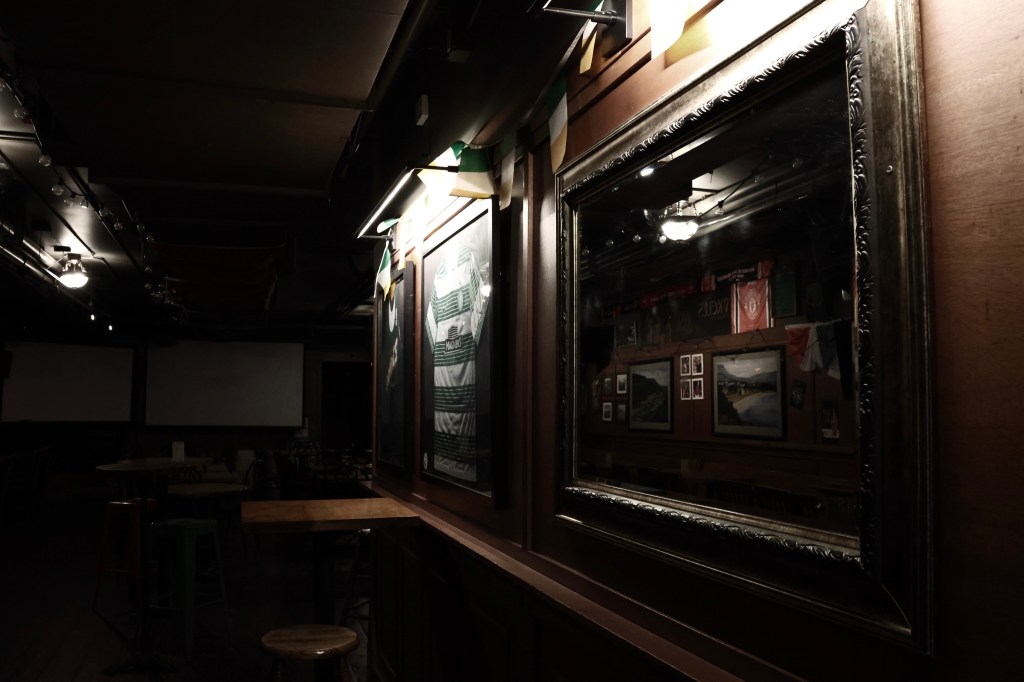
Owner Patrick has remarked that, in the same interview with KOMO News, “Mirrors may change, but this is the spot it happens.” [9] In fact, Patrick has further provided an alleged photo of Charlie captured during some remodeling, although some believe it may simply be an object that is mistaken for a ghostly white face and an eerie dark eye and smile:
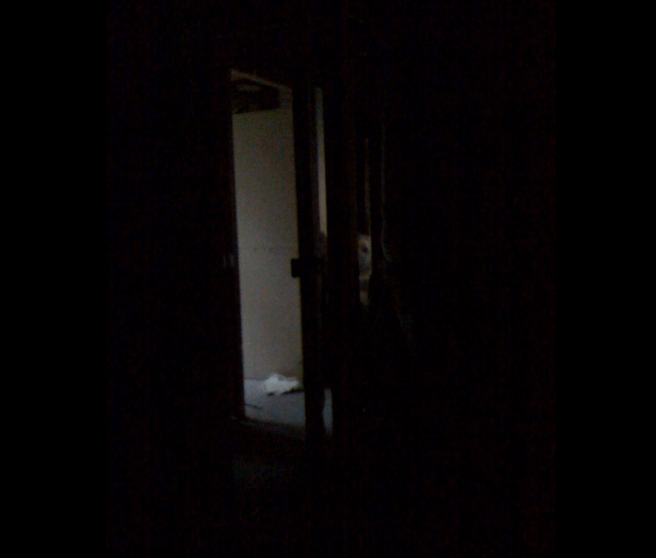
Like the phantom little girl, pin-pointing where such a spirit came from is shrouded in uncertainty. The derby hat may stand in as a vague clue, having been a popular element of mens attire from the late 19th to early 20th centuries. Even so, it is a large window of time when searching for the origins of this reported ghost. It is possible that it may be Edgar himself still keeping an eye on the place…
Other Activity
Patrick has further shared the story of a inexplicably-shattered mirror and a candle which lit itself, both having occurred on the same night over forty years ago while he was closing up shop with his father. [9] Moreover, another business formerly located in the Butterworth Building alongside Kells, and at the original 1921 address accessible via 1st Ave, Café Sophie, also alleged a number of ghostly claims. According to local Mercedes Yaeger, her father, who was friends with the cafés chef, had recounted stories of “chairs hovering, plates breaking, lights swinging, and a general feeling of unrest inside the building.” [10] Today, Karoo Café now sits in its place, offering small plates and an array of drinks inspired by South African flavors alongside live music with the option to rent the venue for gatherings. On their website, Karoo acknowledges the buildings haunting past and how it adds a “layer of mystique to its storied walls.”
NOTABLE INVESTIGATIONS
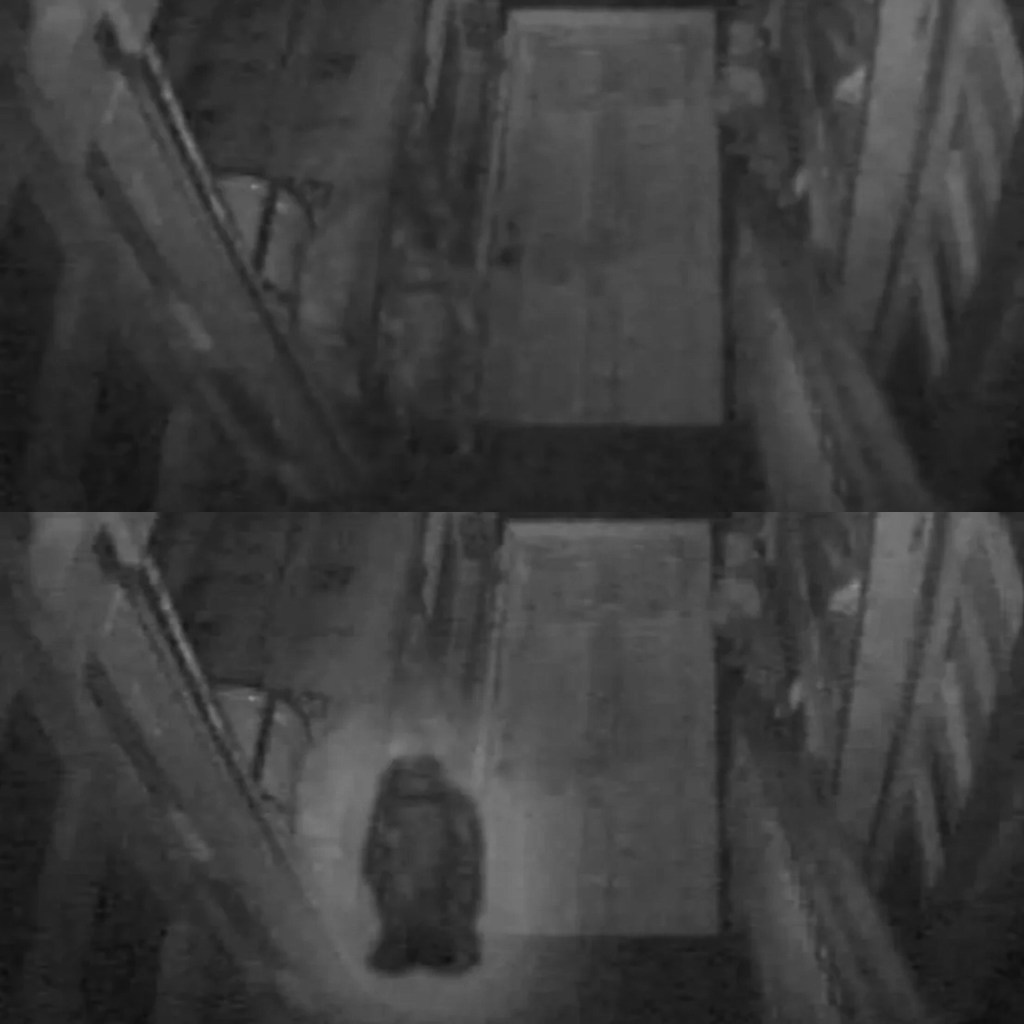
In 2010, the crew of Ghost Adventures would famously investigate at Kells in season 4, episode 13 or 14 (depending on the platform due to a removed episode from this season) titled “Kells Irish Restaurant and Pub”. Of the crews findings, potential EVP’s (electronic-voice phenomena) were captured as well as a supposed spirit manifestation (pictured below) caught on camera—many experienced paranormal investigators, however, believe this to instead be a case of pareidolia: the psychological tendency we have to perceive familiar patterns in random or ambiguous stimuli, most notably seeing human figures and faces amidst pixelated imagery.
MORE INFORMATION
Do you enjoy an evening of food and drinks? The Nightly Spirits tour company does frequent bar-crawls around Pike Place Market, stopping by Kells for a pint and, of course, a few ghost stories!
If you are more-so interested in investigating paranormal phenomena here for yourself, Kells offers bookings for private events at their three different bar spaces between the two floors they occupy. Any thorough paranormal investigation may be out of the question, however, considering that the elimination of outside contamination is nearly impossible; even if booking the entirety of Kells, their neighbors, Karoo, might be open or hosting an event which will cause noise pollution: talking and laughing, music, thuds, clanking dishes, and so forth would surely be present and of non-paranormal nature. But don’t worry, you may still catch a glimpse of one Kells many resident spirits, or have some success with other ghost-hunting methods of spirit communication! (Who want’s to book it and go do the Estes Method with me?)
Have you experienced anything paranormal at Kells? Share your story below or contact The Seattle Ghost Club!
This article was researched, written, and edited by Ivy Boyd.
Works Cited
1. Wilbur Hallet, “Crisis & Christmas Seals – Tuberculosis in Early Washington”, Washington State Historical Society, COLUMBIA The Magazine of Northwest History, Fall 2006: Vol. 20, No. 3 https://www.washingtonhistory.org/wp-content/uploads/2020/04/fall-2006-hallet.pdf
2. Pioneering Medicine: Milestones from Seattle’s First Century 1850-1950 for the Washington University Libraries https://content.lib.washington.edu/exhibits/pioneering-medicine/index.html
3. Edgar Ray Butterworth, Wikipedia https://en.wikipedia.org/wiki/Edgar_Ray_Butterworth
4. James Ross Gardner, “Exquisite Corpses”, Seattle Met, 2012 https://www.seattlemet.com/news-and-city-life/2012/03/butterworth-mortuarys-exquisite-corpses-april-2012
5. E.R. Butterworth & Sons embalming table: https://digitalcollections.lib.washington.edu/digital/collection/imlsmohai/id/16403/rec/8?fbclid=IwY2xjawRbcRxleHRuA2FlbQIxMABzcnRjBmFwcF9pZBAyMjIwMzkxNzg4MjAwODkyAAEeE6MgCf0kGkABeBx1xnx3f_IRpPpW3VsCAesuYeWkRZBFqvqPfGtLVLeq9yo_aem_i87EVBz7yWYTuxI6jB2-lw
6. Katherine Beck, “Hazzard, Linda Burfield (1867-1938)”, History Link, 2006 https://www.historylink.org/File/7955
7. Linda Hazzard, Wikipedia https://en.wikipedia.org/wiki/Linda_Hazzard
8. Butterworth Building, Wikipedia https://en.wikipedia.org/wiki/Butterworth_Building
9. Eric Johnson, “KOMO’s Eric Johnson tells the story of the most haunted place in all of Seattle”, KOMO News, 2022, updated 2023 https://komonews.com/news/erics-heroes/kells-irish-restaurant-pub-most-haunted-bar-seattle-ghosts-spooky-pike-place-market-hauntings-post-alley-spirits
10. Mercedes Yaeger, “Seattle’s Market Ghost Stories – A Historical Narrative About Seattle & the Ghosts of Pike Place Market”, 2009 (Updated 2020) p. 76 ISBN 978-0-615-32492-0


Leave a Reply